Pearcy, AR, USA
M-F 7:00AM – 5:00PM

Your Inspection Questions, Answered

Everything You Need to Know About Tank Inspections

Clear, accurate information is essential when it comes to cargo tank inspections. From DOT requirements and inspection frequency to scheduling, documentation, and compliance, understanding the process helps keep operations running smoothly.

What types of cargo tanks do you inspect?

Inspectco provides certified inspections for DOT 406, MC-306, DOT 412, MC-312, DOT 407, MC-307, and additional cargo tank types used throughout the industry. If you’re unsure which specification your tank falls under, our team can help you identify it prior to scheduling.

What inspections and tests are required by DOT?

DOT requires a combination of routine and periodic inspections, including External Visual (V), Internal Visual (I), Leakage (K), Pressure (P), Lining (L), Thickness (T), Method 27 (K-EPA), and Upper Coupler (UC) evaluations. Every tank’s requirements depend on its specification and service, and we ensure all applicable tests are performed for full compliance with HM-183.

How often are DOT inspections required?

Most DOT cargo tank inspections are required annually, while certain tests, such as Internal Visual or Pressure Tests, may follow a multi-year schedule depending on the tank type.

What’s included in an inspection?

Each inspection includes all federally required DOT tests for your tank type, thorough documentation, and digital inspection reports that satisfy HM-183 compliance. You will receive a clear summary of findings, pass or fail status, and any corrective actions needed.

Are there travel or mobilization fees for remote locations?

Yes. Travel and mobilization fees may apply for locations outside our standard service radius. These fees vary by distance and fleet size, and we provide a transparent quote before scheduling.

What kind of documentation do I get?

You will receive all required DOT and HM-183 documentation, including inspection reports, test results, and compliance records. Documentation is structured to meet regulatory, insurance, and audit needs.

How do I schedule a mobile inspection?

Scheduling is simple. You can contact us by phone or email, and our team will confirm availability, gather details about your tanks, and provide a service quote.

Will you recommend repairs or vendors if something fails?

Yes. If an issue requires specialized or welding-related repair, we will recommend trusted repair shops or vendors who can assist.

Do you offer recurring scheduling or fleet programs?

Yes. We can set up recurring inspection schedules, annual reminders, and fleet programs to help keep all units compliant year-round.

Can I access inspection reports online or do you email them?

All reports are emailed at the time of inspection. If digital storage options become available in the future, we will notify clients.

How soon will I receive the inspection report?

Reports are completed and emailed immediately once the inspection is finished, so you receive documentation the same day.

Who is qualified to perform DOT cargo tank inspections and tests?

All inspections are performed by certified Registered Inspectors who meet DOT and FMCSA requirements for training, experience, and documented proficiency. Our inspectors maintain current certifications and follow all standards outlined in 49 CFR Part 180.

Why is it important to carry out regular inspections on cargo tanks?

Regular inspections are essential for safety, preventing leaks, verifying structural integrity, and maintaining DOT compliance. Inspections help identify wear or damage before it becomes hazardous and ensure your fleet stays road-ready and legally compliant.

Do you perform repairs?

Inspectco provides non-welding repairs and adjustments that may be needed to complete an inspection on-site.

Do you travel outside Arkansas?

Yes. Inspectco provides mobile cargo tank inspections across a wide region. We regularly travel throughout Arkansas, Texas, Oklahoma, Kansas, Iowa, Missouri, Louisiana, Wisconsin, Illinois, Ohio, Indiana, Kentucky, Tennessee, Mississippi, Alabama, Georgia, Florida, North Carolina, and South Carolina.

Do you service both single trucks and large fleets?

Yes. We work with independent owner-operators, mid-sized companies, and large national fleets. Our mobile inspections are designed to accommodate any operation.

How long does an inspection typically take?

The time required depends on the type of tank and the number of tests needed. Many inspections can be completed in a single visit. More extensive evaluations, such as internal or pressure tests, may take longer.

Do you offer emergency or expedited inspections?

Yes. Emergency or expedited inspections are available for an additional fee. Availability depends on current scheduling and travel requirements.

What happens if my tank fails an inspection? (Next steps/reporting)

If a tank doesn’t meet DOT standards, we will document the issues and provide a detailed report outlining the corrective actions needed. A failed inspection fee applies if repairs cannot be completed on-site. We can also recommend qualified repair providers when needed.

What payment methods do you accept?

We accept cash, card, and check.

Do you provide documentation that can be used for insurance or compliance audits?

Yes. All documentation is formatted to meet DOT, insurance, and industry compliance standards.
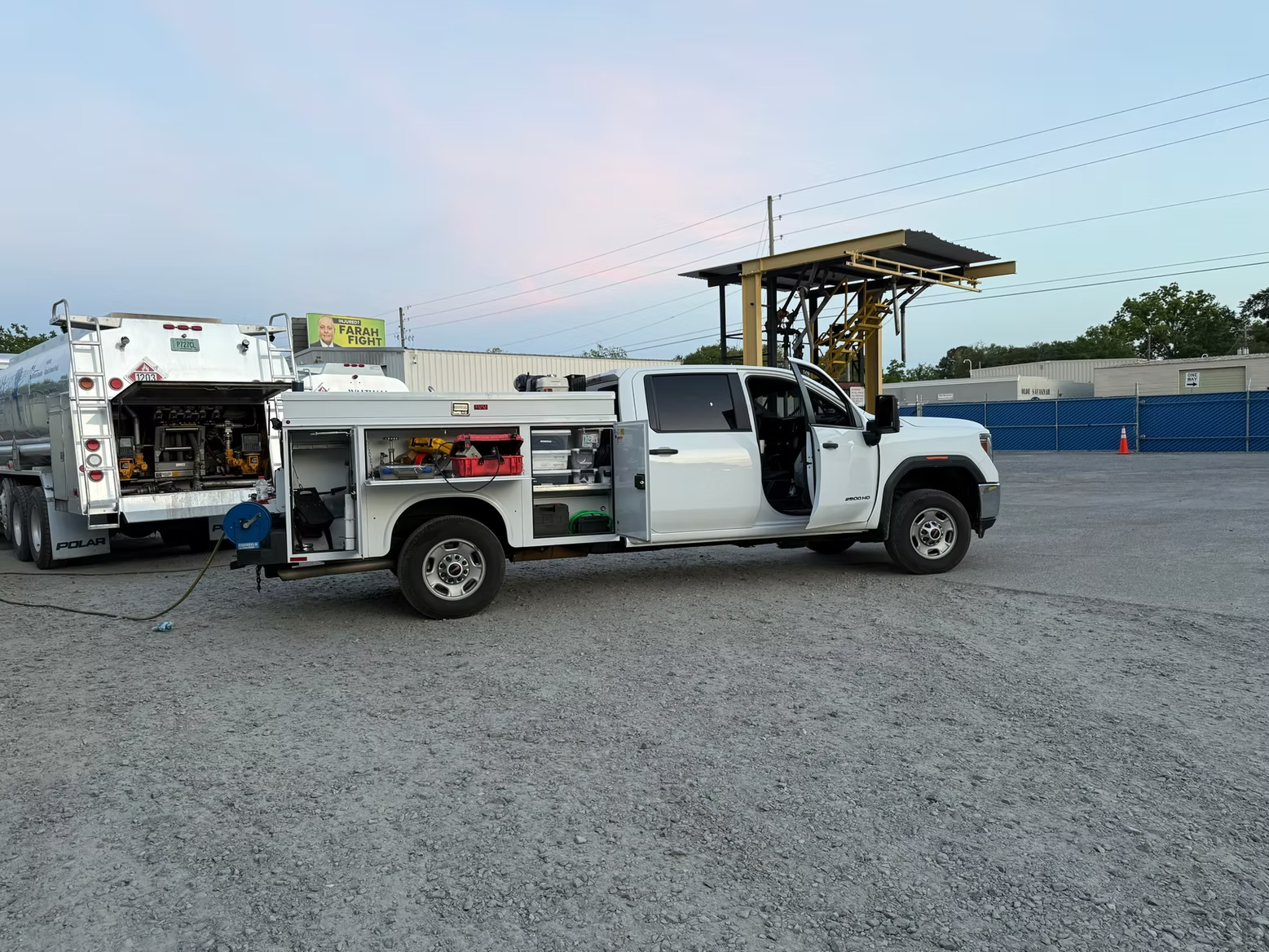
A white GMC service truck with open utility compartments is parked on a gravel lot next to the rear of a fuel tanker. The truck's doors and side cabinets are open, revealing tools and equipment being used for maintenance or inspection in an industrial setting.

We’re here to help

Still have questions?

Whether you’re managing a single tank or coordinating inspections for an entire fleet, our team is ready to help. We’re happy to walk through requirements, scheduling, or documentation so you can move forward with confidence.